
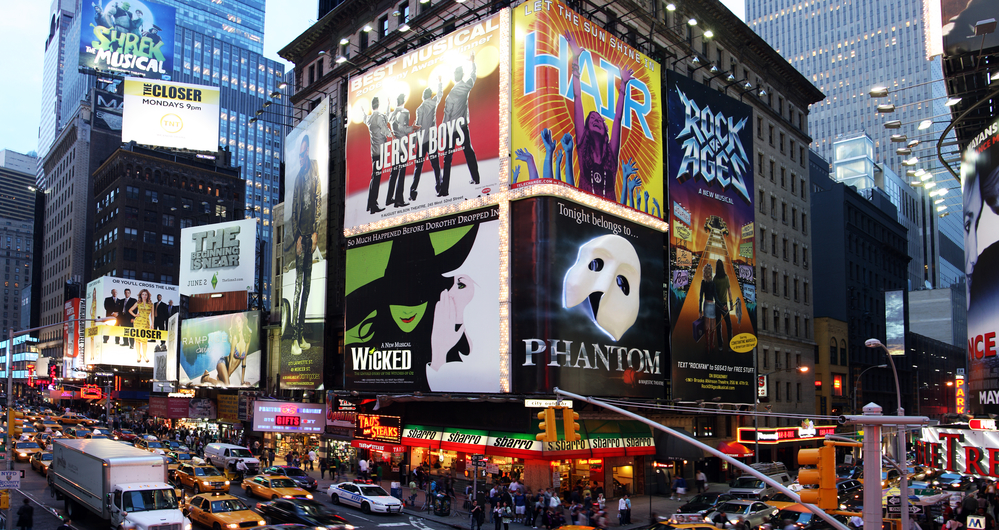
A static billboard sits in one spot. People who take that route see it, people who don’t take that route never do. Simple enough. But put that same advertisement on a bus and suddenly it’s traveling through neighborhoods, business districts, shopping areas, and residential streets all day long.
Bus advertising turns a single message into a mobile presence that reaches people across an entire city. The bus pulls up at traffic lights next to commuters. It sits at bus stops where pedestrians wait. It rolls past storefronts and through town centers. That kind of movement creates exposure that no fixed location can match, and for local businesses trying to build recognition, that mobility matters more than most people realize.
Why Movement Creates Better Visibility
A stationary billboard relies on people coming to it. The same stretch of highway, the same intersection, the same daily commuters seeing the same message. There’s value in that repetition, but the audience stays relatively fixed.
Buses follow routes that cover miles of city streets. A single bus might travel through a dozen different neighborhoods in a day, exposing the advertisement to completely different audiences depending on the time and location. Morning routes through residential areas reach one demographic. Afternoon routes through shopping districts reach another. Evening routes past restaurants and entertainment venues reach yet another.
The constant movement also means the ad doesn’t become invisible the way static advertising can. People tune out billboards they pass every single day—the brain stops registering them as new information. But a bus advertisement keeps appearing in different contexts, different backgrounds, different moments. It stays fresh because the surrounding environment keeps changing.
Reaching People Where They Actually Are
Bus advertising doesn’t just reach people on buses. That’s the part most businesses don’t think about when they first consider transit advertising. The real audience includes everyone the bus passes—drivers stuck in traffic behind it, pedestrians waiting to cross the street, people sitting in cafes watching traffic go by, shoppers walking along busy streets.
Think about how often buses stop. Every traffic light, every bus stop, every bit of congestion. Each stop creates a captive audience, even if just for a minute or two. That’s enough time for people to actually read and process the message, not just catch a glimpse while speeding past on a highway.
Cities with heavy bus traffic see the same buses circulating through central areas multiple times per day. Someone might see your advertisement three or four times during their lunch break without even trying. That kind of frequency builds familiarity fast, and familiarity is what turns a business name into a recognized brand.
The Local Connection That Matters
National brands can advertise anywhere. Local businesses need to be visible in their specific community, and that’s where bus advertising shines. When your ad is literally moving through the neighborhoods you serve, it creates a sense of local presence that digital advertising just can’t replicate.
For businesses in cities, investing in bus advertising Birmingham puts their brand directly into the daily lives of potential customers. It’s not some abstract digital impression—it’s a physical presence rolling past schools, shops, offices, and homes. People see that business name day after day in their own neighborhood, and that builds the kind of trust that comes from feeling like a business is actually part of the community.
This local visibility is especially valuable for service businesses. Plumbers, electricians, dental practices, law firms, real estate agents—they all benefit from being the name people remember when they need that specific service. Bus advertising keeps that name circulating through the exact areas where those customers live and work.
Who Actually Sees Bus Advertising
The audience for bus advertising is broader and more diverse than most traditional outdoor advertising. It’s not just one demographic on one highway. It’s everyone the bus route touches, and urban bus routes by design go through varied neighborhoods and commercial areas.
Commuters see bus ads during rush hour. Shoppers see them in retail districts. Students see them near schools and universities. Office workers see them in business areas. The audience shifts throughout the day as the bus moves through different parts of the city, but the message stays consistent.
There’s also the captive audience inside the bus itself. Interior advertising reaches riders who might spend anywhere from a few minutes to an hour on that bus. They’re not distracted by driving, they’re often bored, and they’re looking around for something to occupy their attention. That’s a much more engaged audience than most advertising ever reaches.
Cost Versus Coverage
Bus advertising isn’t cheap, but when you break down the cost per impression compared to the geographic coverage, it often comes out competitive with other local advertising methods. One bus advertisement can generate thousands of impressions daily across multiple neighborhoods and demographic groups.
Compare that to buying multiple billboard locations to achieve similar coverage, or trying to reach the same local audience through digital advertising with geographic targeting. The per-impression cost of bus advertising often looks better than people expect, especially when you factor in the quality of the exposure—not just fleeting banner ads but actual physical presence in the community.
Smaller businesses can often start with single bus contracts or shorter-term campaigns to test the waters. You don’t need to commit to an entire fleet immediately. Even one or two buses running through high-traffic routes can create noticeable visibility for a local business.
Design Considerations That Actually Matter
Bus advertising comes with unique design challenges. The ad needs to work from multiple distances and angles. Someone standing next to the bus at a stop sees it completely differently than someone three cars back in traffic.
Text needs to be large and simple enough to read quickly. Complicated messages don’t work because most people see the bus for just seconds at a time. A clear business name, a simple tagline or offer, and contact information—that’s usually the formula that works best.
Color choices matter more on buses than static billboards because the ad is constantly changing backgrounds. It needs to stand out against streets, buildings, sky, other vehicles, and everything else a city throws at it. High contrast between background and text is basically required.
The placement on the bus matters too. Side panels get the most visibility because they’re what people see from sidewalks and other vehicles. Back panels work well in traffic when cars are following the bus. Even interior cards above seats create value for rider engagement.
Measuring Real Impact
The tricky part about bus advertising is measuring results. Unlike digital ads, you can’t track clicks or conversions directly. The impact is more about brand awareness and recognition than immediate response.
Some businesses use specific phone numbers or promo codes on bus ads to track direct responses. Others look at overall business inquiries and sales trends during campaign periods. The most realistic approach is treating bus advertising as a brand-building tool rather than direct response marketing.
What businesses typically notice is increased name recognition. More people mention seeing the ad. Phone calls or walk-ins reference the bus advertisement. Over time, the business name becomes familiar to more people in the community, and that familiarity translates into more customers when they need that product or service.
When Bus Advertising Makes Sense
Bus advertising works best for businesses that serve a specific geographic area and want to build local brand recognition. It’s not ideal for niche products with very specific target audiences, but for businesses where location matters more than demographics, it delivers solid results.
Restaurants, retail stores, service providers, medical practices, entertainment venues—these businesses benefit from being visible throughout the community. They’re not trying to reach everyone in the country; they’re trying to be the first name that comes to mind when someone in their city needs what they offer.
The mobility of bus advertising means your message travels through the neighborhoods where your potential customers live, work, and shop. It creates a physical presence that digital advertising can’t match and a geographic reach that static billboards can’t achieve. For local businesses serious about building community recognition, those moving billboards rolling through city streets deliver impact that’s hard to get any other way.
- How to Build a Sustainable Culture of Internal Promotion and Growth
- A Beginner’s Guide to Safely Clearing Personal Data Before Rehoming Devices
- Creating a Healthier Work Environment: A Guide for Facility Managers
- How to Optimize Your Dental Practice Website for Better Search Visibility
- 7 Essential Features Every Modern Fitness Center Needs to Succeed