
Most people see an acrylic display or a custom-cut Perspex panel and never give it a second thought. Cutting plastic must be easy, measure, cut and deliver. But plastic fabrication and cutting take time, effort and diligence to create the quality end product. It’s more than just cutting; it’s quality machinery, material understanding, and years of experience for an end result that’s visually appealing and structurally sound.
Understanding what’s involved in professional cutting informs the decision as to why one acrylic project can last for years while another chips, cracks, bends or yellows in months. It’s not just the cut itself; it’s what surrounds the cut.
Equipment Makes All the Difference
Professional plastic cutting occurs via CNC cutting (computer numerical control) down to millimeter segments. We’re not talking table saws or handheld saws here, these are CNC routers that rely upon computer programming to get consistent cut paths, speeds, and depths that humans cannot effectively achieve on their own.
Laser cutting offers different types of applications but what’s most interesting about laser cutting is that it applies meticulous cuts with smooth edges. Laser beams melt the acrylic along the programmed path, resulting in finished cuts that often need little additional work. But laser cutting best works with thinner sheets; thicker parts need router cutting.
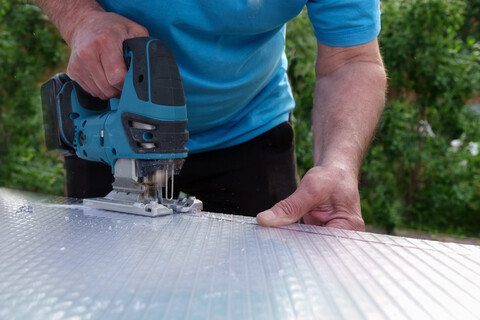
Saw cutting uses acrylic-specific blades to get through more difficult pieces of plastic as well; the type of teeth in the blade, speed of cut and cooling are all part of the process. Cut too quickly and it will melt; cut too slowly and it will chip. When businesses choose Productive Plastics, they find a supplier with calibrated equipment specific for a variety of plastics and thicknesses, this first step will ultimately impact the end result.
Material Preparation Isn’t Optional
It’s also important to note that material preparation is part of the cutting process, it does not exclude getting the job done. Professional plastic suppliers assess sheets for scratches or bubbles that can impact the end result. The protective film that comes on acrylic sheets remains intact during the cutting process to avoid surface scratches, although it must be aligned correctly to avoid denting during the process.
Temperature awareness also makes a difference; acrylic expands or contracts with temperature. Professional shops maintain controlled climates for cuts. Cold acrylic increases crack potential while warmed pieces begin to melt which can yield jagged edges.
Material thickness is critical to this process as well, thinner sheets have different feed rates, blade types, cutting speeds and whether or not multiple passes occur. A 3mm sheet’s specifications differ significantly from a 25mm sheet; mixing these specifications cause damaged material or improperly cut pieces.
Programming and Set Up Take Time
The actual cutting process can take minutes or even seconds; programming and setup for such cutting takes far longer, especially for intricate shapes and tight tolerances. Each programming step requires creating or adjusting a program relative to material type, thickness, final edge finish and noted accommodations.
This includes identifying tool paths, sequencing a cut, identifying speeds in different areas during the cut, for instance, if there’s an internal cut, perimeter cut first creates stability but may require additional effort around corners where stress may lead to cracking.
Fixturing ensures that material stays securely in place without putting pressure on certain areas that lead to cracking. Professional shops use vacuum tables, clamps, or custom jigs dependent upon the needs of the project.
Edge Finishing Differentiates Good from Great
The cut is only half of the process, it needs to be made within a comfortable tolerance although what happens once those pieces are off depends upon final quality. Raw cuts typically leave frosted edges or ugly finishes. If pieces are for visual purpose (displays), this won’t do.
Flame polishing uses a hydrogen-oxygen torch that melts the surface of the cut edge to match the remainder of the sheet for a consistent gloss and edge. This takes skill, as too much heat creates bubbles as too little creates cloudiness. Other edges require machine polishing through various grits which results in a longer effective time but acceptable appearance for highly visible cut areas.
Diamond polishing exists for clearer edges as well, diamond-impregnated pads with progressively varying grits create optical clarity for thicker pieces.
Quality Control Find Problems Earlier Than Later
It’s not just about cutting and shipping; professional quality control screens dimensions after the fact to ensure that pieces were made to specification. Quality control measures find problems earlier than later, and saves businesses time and money if there are flaws discovered after shipment has occurred.
Dimensions get remeasured with precise tools; edges get assessed for cracks and chips; surfaces are examined for retained protective films determined by surface quality in cutting. If any part does not meet specifications, it gets recycled.
Why This Matters for Your Own Projects
Professional plastic cutting provides consistency important for commercial applications; whether multiple identical pieces are desired or tight tolerances matter, with professional fabrication, that goal is achieved.
Professional cutting shows due diligence in aesthetic qualities as well as performance. A clean-cut edge means reduced stress on edges reducing cracks down the line. Proper finalisation prevents moisture absorption which subsequently avoids yellowing of clear acrylic. Correct dimensions mean proper fitting the first time. For any business looking for acrylic projects, barriers, displays, signage or architectural elements, understanding this process helps determine why professional fabrication costs what it does and ultimately why it works better than taking cheap shortcuts.
- How to Build a Sustainable Culture of Internal Promotion and Growth
- A Beginner’s Guide to Safely Clearing Personal Data Before Rehoming Devices
- Creating a Healthier Work Environment: A Guide for Facility Managers
- How to Optimize Your Dental Practice Website for Better Search Visibility
- 7 Essential Features Every Modern Fitness Center Needs to Succeed