

Most people don’t consciously build their health habits as adults. By then, many of those patterns and routines are already in place. Small routines, such as what gets ignored, what feels necessary, and what feels like effort, are usually picked up much earlier. That’s why early education carries more weight than it’s given credit for.
When health is introduced in a practical way early on, it tends to stay. Not perfectly, but enough to influence decisions later without much resistance.
The Link Between Early Learning and Behavioural Patterns
Some habits feel automatic. Others feel like a chore that keeps getting postponed. That difference usually isn’t about motivation; it’s about familiarity.
The World Health Organization has pointed out for years that early exposure to health education reduces long-term risks. But this doesn’t only apply to obvious areas like diet or exercise. It shows up in smaller, routine behaviours that rarely get attention.
Things like attending regular check-ups, noticing minor symptoms early, or maintaining basic hygiene routines don’t feel significant in the moment. But when those are introduced early, they stop feeling optional. They become standard. Without that exposure, the same actions tend to get delayed. Not because people don’t know better, but because nothing is pushing them to act.
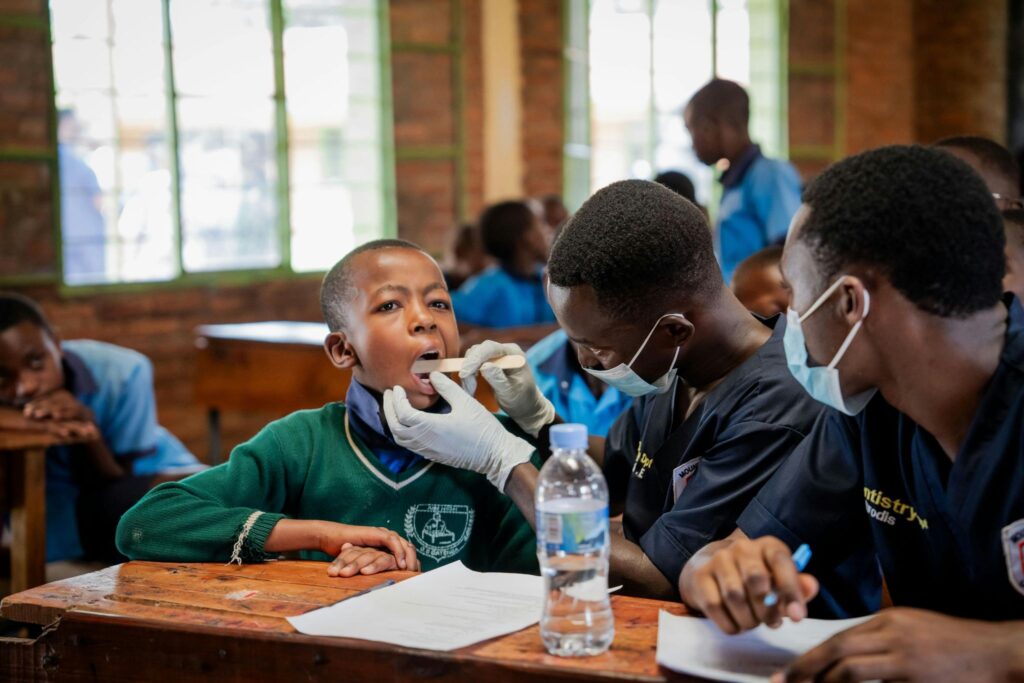
Health Literacy Works Better as a Skill
Health literacy is often treated like knowledge, something to understand and remember. In practice, it behaves more like a skill. Knowing when to take something seriously, when to wait, or when to seek professional care isn’t instinctive. It develops over time. And the way it’s taught matters.
Systems that lean heavily on theory tend to produce awareness without action. People understand the concepts, but they hesitate when it’s time to apply them. There’s a clear shift when learning becomes practical. When individuals are taught how to read situations, assess options, and navigate services, hesitation drops.
The NHS has consistently emphasised prevention, but that only works when people are used to acting early, not just thinking about it.
The Gap Between Knowing and Doing
Most adults are already aware of basic health advice. That’s not where things break down. The issue is follow-through. There’s a consistent gap between knowing and doing, and that gap usually traces back to early exposure. If a behaviour wasn’t normalised early, it tends to feel optional later, even when the risks are clear.
One-off campaigns or occasional lessons don’t change much. They create awareness, but not consistency. Repetition does. So does context. Over time, decisions lean toward what feels normal, not what sounds correct. Whether it’s food choices, physical activity, or even using services like dental hygiene London, early exposure reduces hesitation. It removes that internal pause that leads to delay.
Where Education Systems Miss the Mark
Schools have one advantage most systems don’t: consistency. They have time, structure, and repeated access. But that advantage isn’t always used well.
Generic programs tend to stay surface-level. They explain concepts but don’t connect them to everyday decisions. As a result, students understand the “what” but not the “why now.”
When learning becomes situational, linked to real outcomes like cost, comfort, or long-term consequences, it lands differently. It becomes usable. That’s the point where information starts turning into behaviour.
Why This Extends Beyond Individuals
This isn’t just about personal discipline. It affects systems at large. When more people adopt preventive habits, healthcare systems feel it. There are fewer emergency cases, fewer late interventions, and better use of resources overall.
Interestingly, access isn’t always the limiting factor, especially in larger cities. Services are often available, sometimes even convenient. But availability doesn’t guarantee usage. That gap comes down to behaviour. And behaviour, more often than not, is shaped early.
Turning Awareness into Action
There’s a point where information needs to become practical. That’s where things often stall. Understanding health in theory doesn’t automatically lead to action. People need clarity on timing, relevance, and consequences. Access only becomes meaningful when it’s recognised as necessary. Otherwise, it stays unused.
Conclusion
Early education doesn’t just inform, it sets expectations. It shapes what feels routine, what gets postponed, and what gets taken seriously. By adulthood, most decisions aren’t being actively learned; they’re being repeated.
That’s why the real shift needs to happen earlier. Not through more information, but through better exposure and practical context. Without that, the gap between knowing and doing doesn’t disappear. It just becomes harder to close later.