
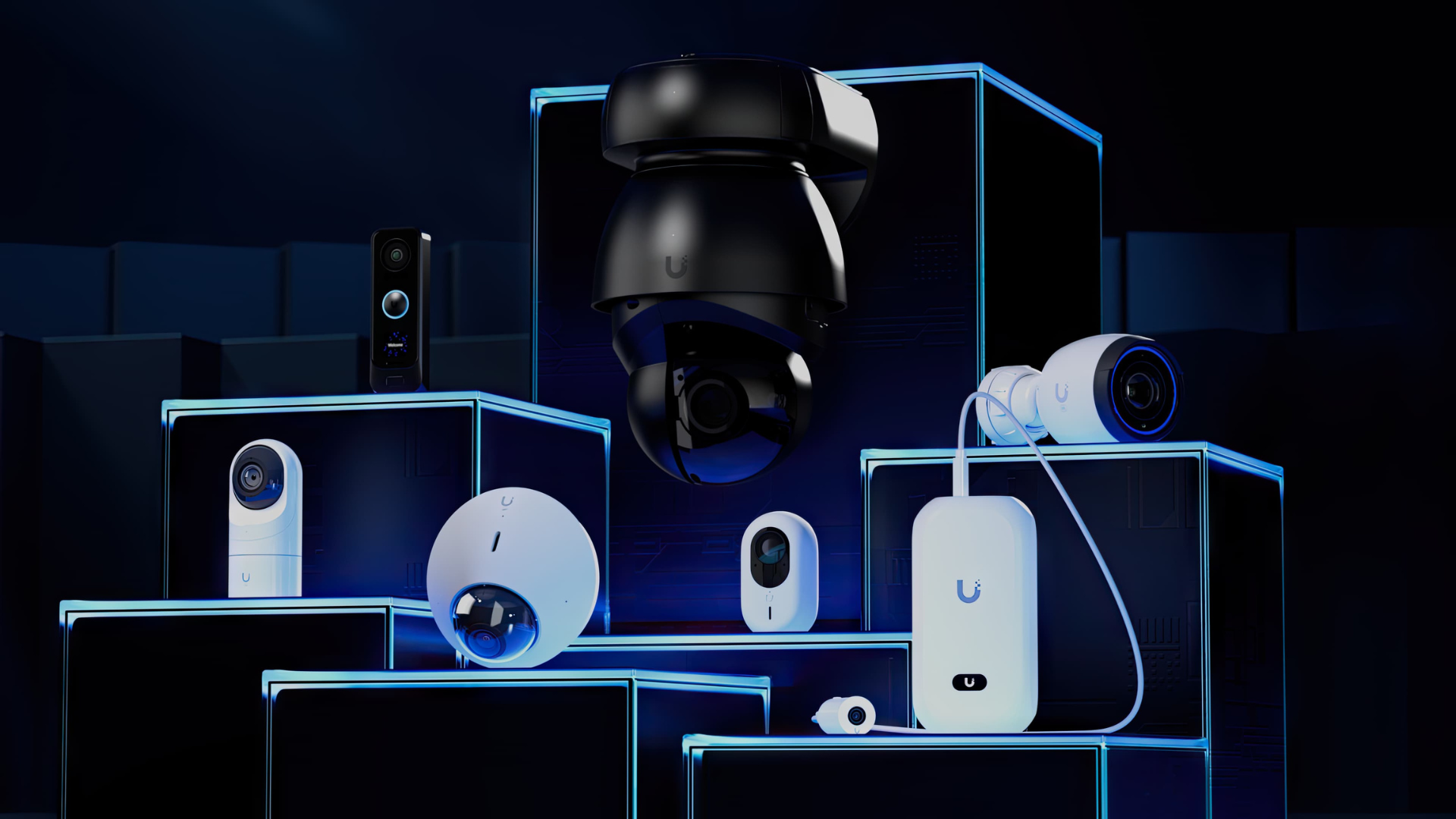
Most businesses install CCTV to catch problems after they happen. A break-in, a theft, an incident near the loading bay. The cameras roll, the footage sits on a server, and someone reviews it when something goes wrong. That’s a reasonable use of the technology, but it’s a fraction of what a properly designed system actually delivers.
High-quality video security, when planned and installed correctly, works on your operation every single day. It changes behavior, resolves disputes, and generates data you can actually use.
The Deterrent That Low-Resolution Cameras Can’t Provide
Visible cameras reduce theft. This is not a surprising statement. What people tend to overlook is that the quality of the images determines how effective the deterrent is. Employees and contractors act differently when they are aware that there is clear footage that can be used.
Retail shrinkage, whether internal or external, is a massive expense for companies in all industries. According to the British Retail Consortium’s Crime Survey, retail crime costs businesses more than £1 billion every year. High-quality surveillance consistently ranks as one of the most effective preventive measures. But you can’t say the same for fake cameras or poor resolution that won’t help identify anyone. People will quickly decide that the risk of being caught isn’t too high.
HD resolution is not only important for prosecution; it acts as prevention.
Cameras and the Psychology of Workplace Behavior
People tend to act differently when they know someone is watching. The same goes for workplace safety. If your workers know they are being filmed, they are more likely to follow safety protocols, operate machinery correctly, and avoid risky behaviors. This doesn’t insinuate that your workers can’t be trusted if they’re not being watched 24/7, it just gives them a little extra nudge to always be on their best and safest behavior.
Additionally, for night shift workers, lone employees, or workers who have to isolate in a certain area of a factory or warehouse, being watched can also give them an added level of comfort knowing that their employer is looking out for their physical safety when they are in potential more vulnerable situations. This directly influences how safe your employees feel at work, and research data from various industries consistently shows that the safer they feel, the more likely they are to remain long-term employees.
From Security Footage to Operational Data
Today’s IP-based camera systems with AI analytics go beyond simply storing images. For instance, heat mapping on a retail floor denotes your hottest and coldest areas. Tripwire alerts flag if a zone is accessed after everybody’s gone home. It offers a vantage point of your own business you can’t replicate on an actual shop or warehouse floor.
For any business that is in charge of a store, warehouse, or production line, those insights are of straight productivity value. The bottleneck you’ve wondered for years about how to test can likely be unearthed in just days of going through data. The security spend is now returning a second bonus on your investment.
Management by exception is another shift. Instead of having to watch live feeds, which no one ever actually does all the time, alerts are only sent for an exception, a door access after hours. A restricted zone entered without credentials. It makes monitoring achievable and prevents alert fatigue.
Professional Installation Changes What the System Can do
Placing a camera in the wrong spot doesn’t just fail to do the job you need it to do. It creates a false sense of security. Site surveys sound routine but they are really the only way to make sure your cameras are where they can do the most good. Blind spots in a retail environment or near an exit aren’t immediately apparent until you have spent time walking through the space with someone who knows how cameras work. Which ones shoot what angles. Which lenses see near, which far.
Businesses looking to get this right should work with experienced cctv installers in chelmsford who can assess camera positioning relative to lighting conditions, high-value stock locations, and the entry and exit points that present the most risk. Local expertise also helps with the compliance side, footage retention policies, signage requirements, and how data is stored and accessed all fall under regulatory frameworks governing surveillance and data protection.
Integration is another area where professional installation pays off. Linking CCTV to access control systems, electronic door locks tied to specific credentials, creates a security architecture rather than a collection of individual components. Footage from an access control event becomes immediately cross-referenceable with camera data from that zone.
Resolving Disputes Without Ambiguity
HR incidents, workplace accidents, and insurance claims all benefit from objective footage. Disputed liability situations, whether between colleagues or involving a member of the public, are significantly easier to resolve when clear video exists. Scenarios that might otherwise consume weeks of management time get resolved quickly.
Low-light and infrared capability extends this value into non-business hours. A slip and fall near an entrance at midnight is just as significant from a liability standpoint as one during the day.
The camera system you choose, and how it’s installed, determines whether that footage is usable or not. Grainy, poorly positioned, inadequately lit footage doesn’t protect the business. Clear, properly stored, professionally installed footage does. Security infrastructure built with intention becomes part of how a business actually runs, not just how it responds when something goes wrong.
- How Early Education Shapes Long-Term Wellness Outcomes
- Why Philanthropy Should Be Part of Every Curriculum
- How to Build a Sustainable Culture of Internal Promotion and Growth
- A Beginner’s Guide to Safely Clearing Personal Data Before Rehoming Devices
- Creating a Healthier Work Environment: A Guide for Facility Managers